September 8, 2026
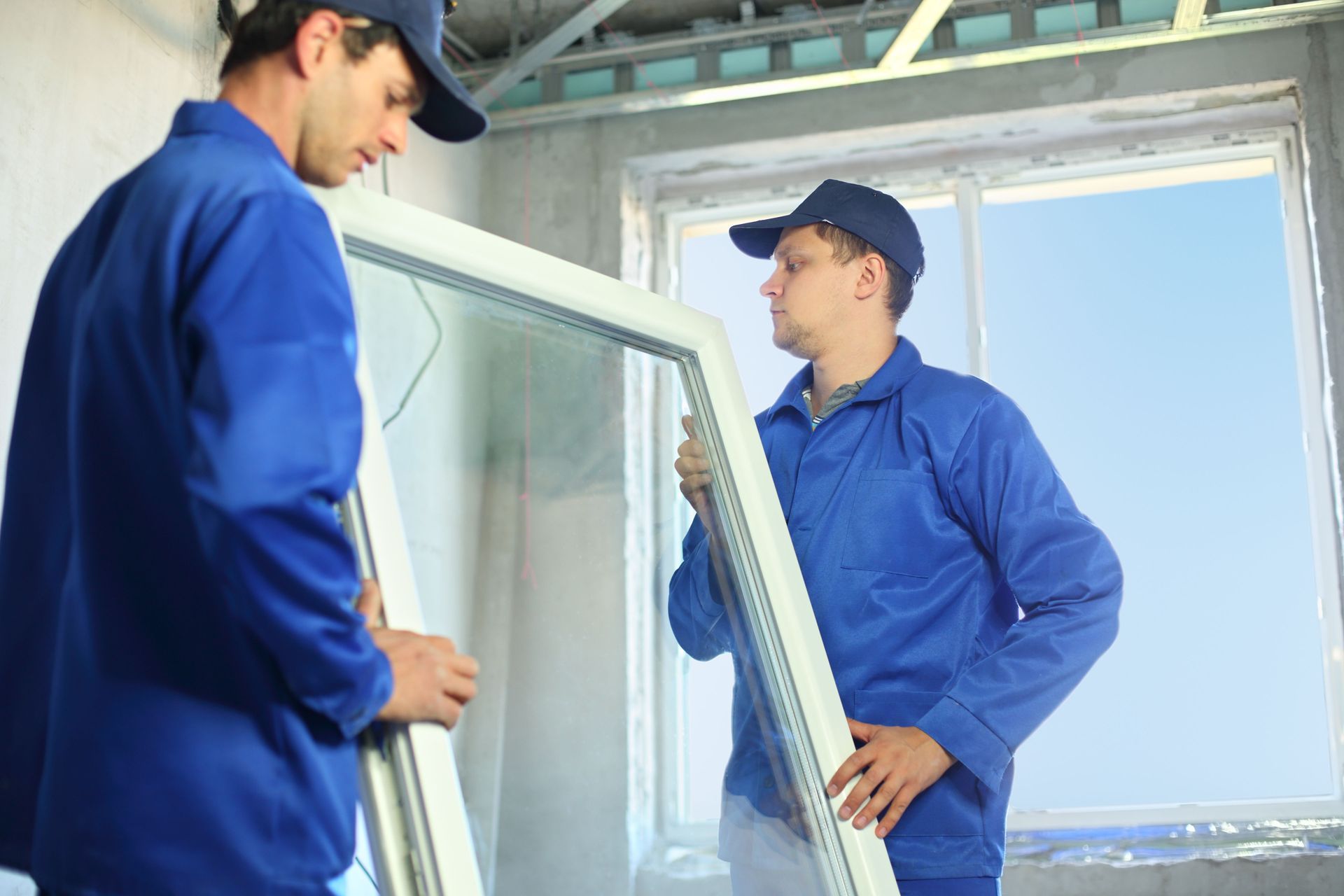
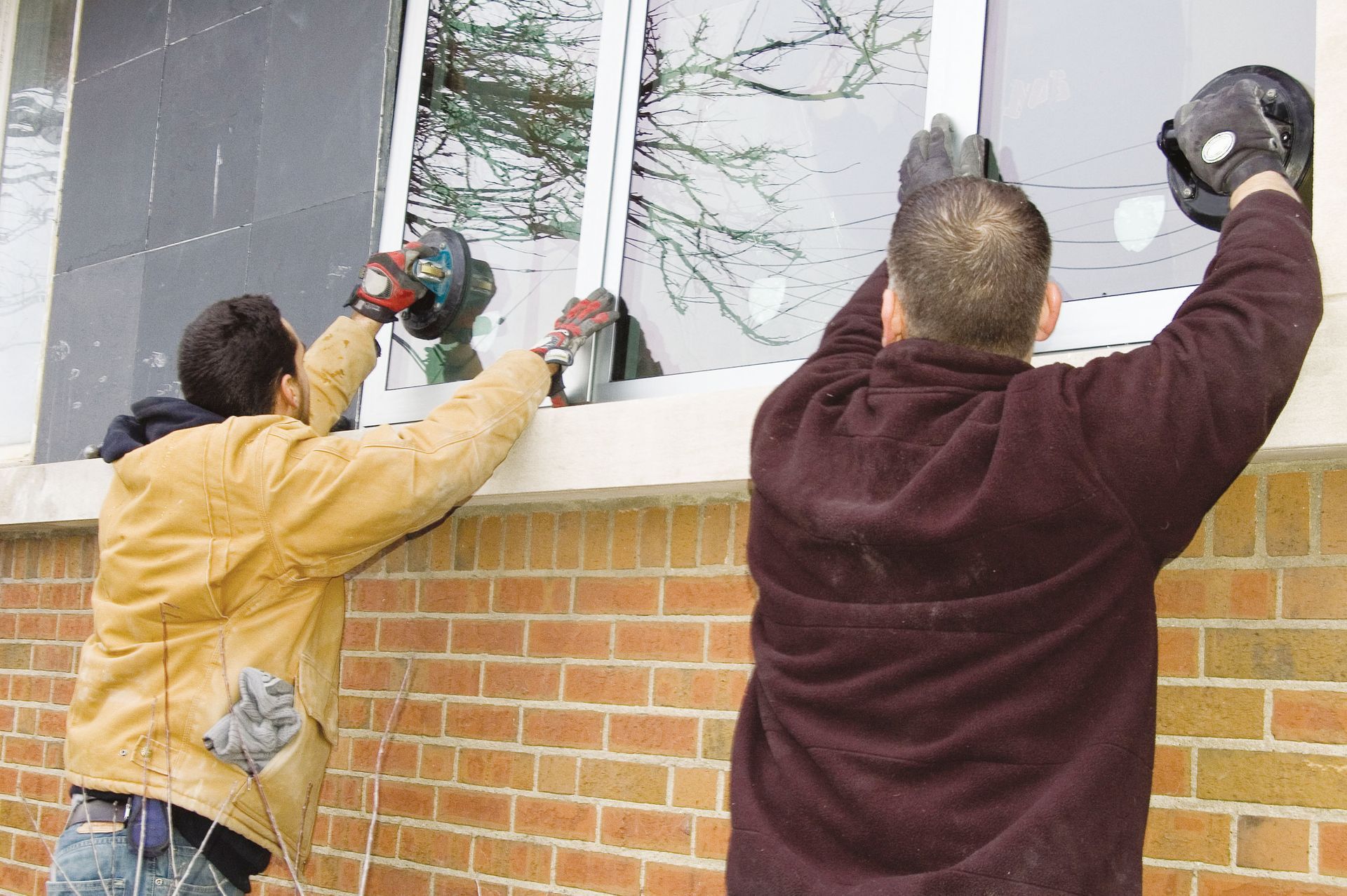
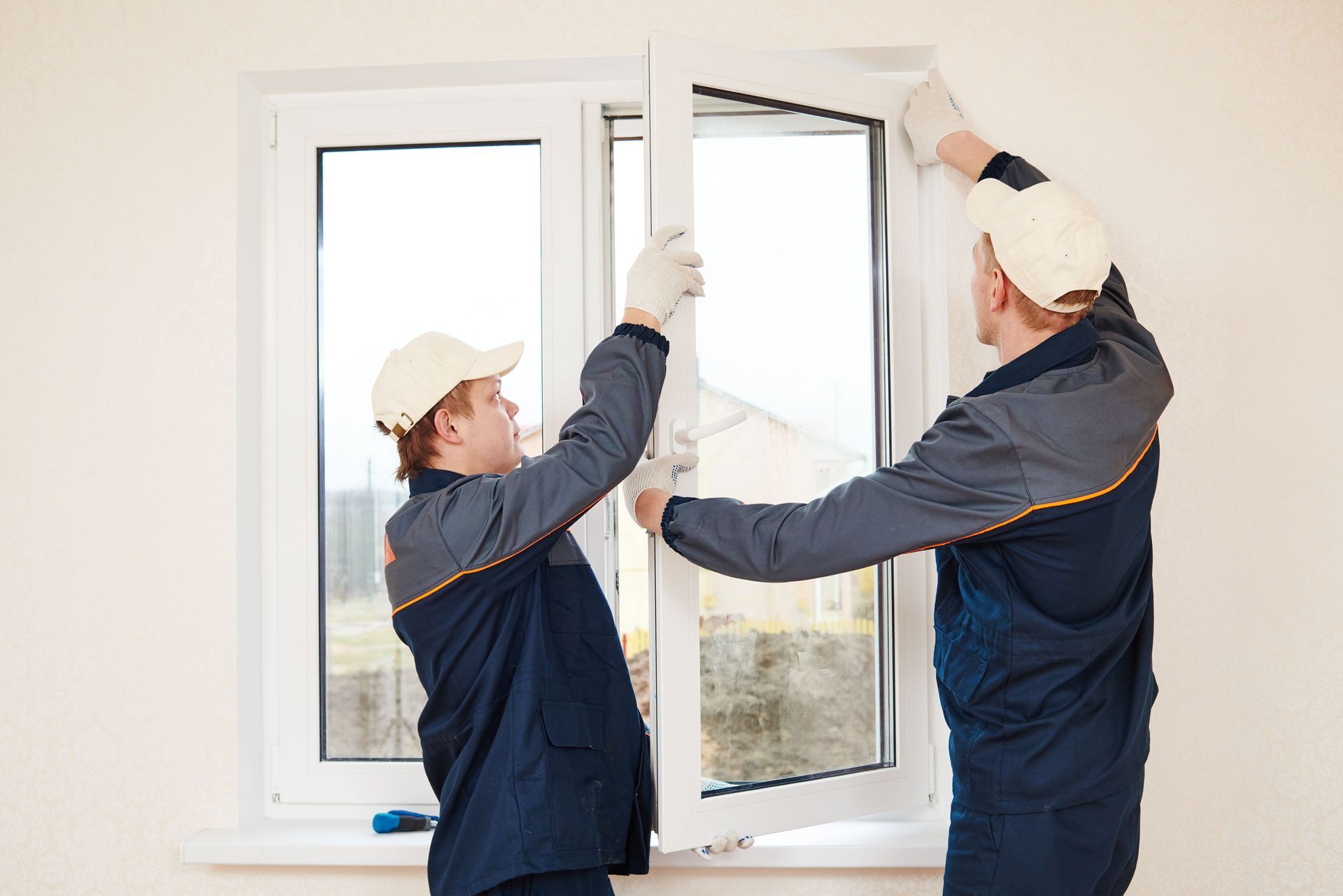
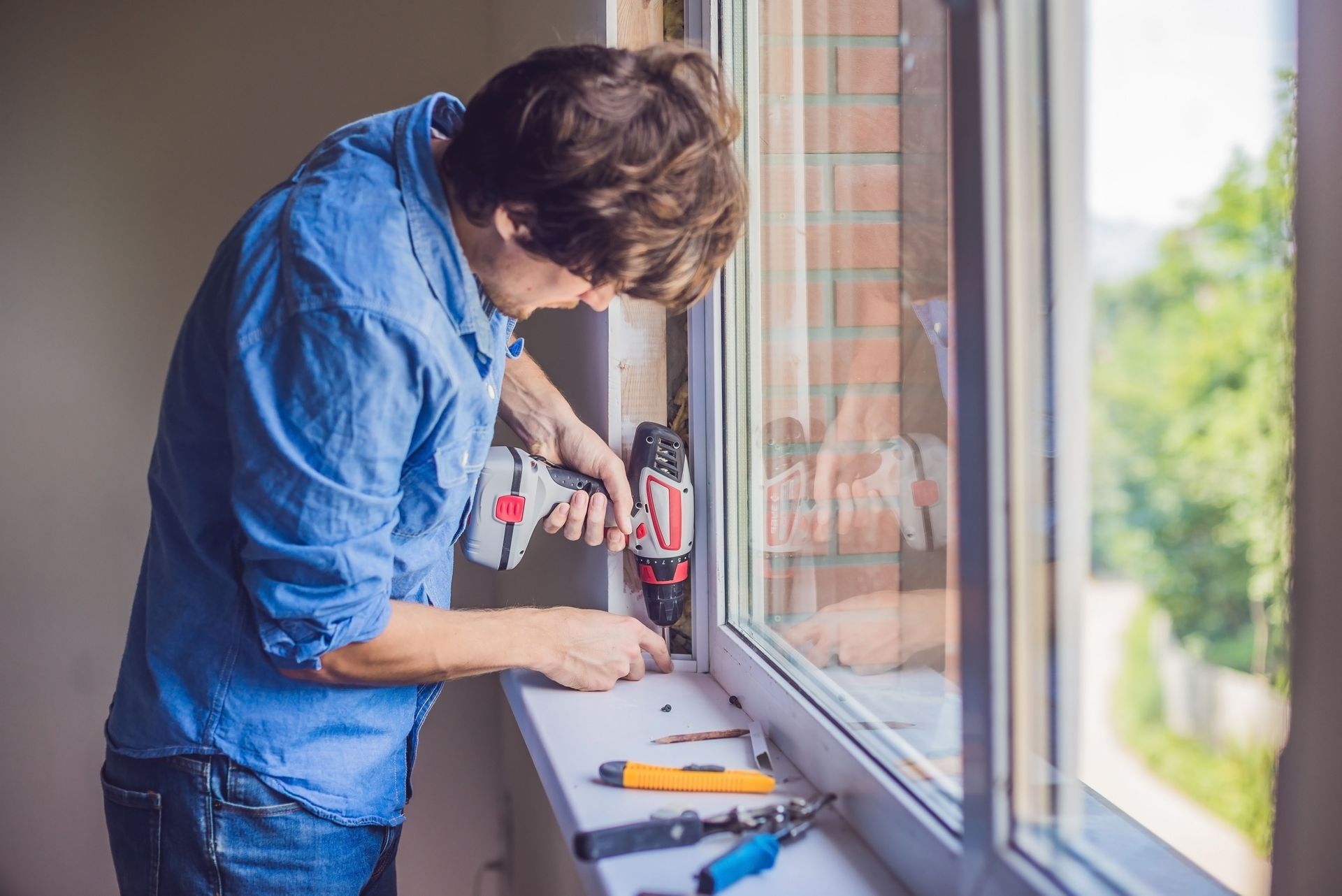
Ensuring that your home remains comfortable and cost-effective throughout the changing seasons requires evaluating the performance of your exterior features. Poorly sealed, outdated, or damaged glass panes can significantly contribute to rising utility bills and fluctuating interior temperatures. Investing in a professional window installation allows homeowners to eliminate drafty gaps, minimize HVAC strain, and reduce energy consumption year-round. Modern glass technology combined with precision craftsmanship ensures optimal thermal performance and structural durability for your property. By prioritizing high-quality window installation, you can protect your home from unnecessary energy loss while simultaneously boosting its overall market value and curb appeal.
Understanding Energy Loss in Homes
Analyzing the Impact of Improperly Installed Windows
Windows that are improperly installed can become a major source of energy inefficiency in a home. Gaps and poor sealing allow conditioned air to escape, while outside air leaks in, causing HVAC systems to work harder. Such inefficiencies result in increased energy usage and higher utility bills. Beyond increased energy bills, there is also a significant environmental impact due to excessive energy consumption. With a properly executed window installation, energy efficiency can be drastically enhanced, contributing to both ecological and economic benefits.
Assessing Thermal Transfer Through Windows
Heat transfer through windows plays a crucial role in determining the energy efficiency of a home. Understanding the principles of conduction, convection, and radiation can provide insights into how windows either help or hinder energy conservation. Conduction occurs when heat moves through materials, such as window panes, while convection results from air movement around the windows. Radiation involves heat transfer via infrared rays, which can cause heat gain during summer and heat loss during winter. Addressing these pathways of heat transfer during a window installation is essential in achieving energy-efficient homes.
Calculating the Cost of Energy Inefficiency
Energy inefficiency not only impacts financial aspects but also environmental sustainability. According to various studies, windows are responsible for a significant percentage of energy loss in homes, creating substantial financial burdens. Homeowners with outdated or poorly installed windows often experience increased utility bills, compounding the cost of maintaining comfortable interior environments. Inefficient windows lead HVAC systems to compensate by working harder, consuming even more energy. As a result, homes become more costly to operate, consuming a larger share of household budgets.
Evaluating Environmental Impacts of Energy Loss
The environmental impact of energy inefficiency is evident through heightened resource consumption and increased emissions. In the context of climate change, inefficient energy use is a critical contributor to environmental deterioration. The excess carbon emissions arising from energy wastage not only deplete finite resources but also alter ecosystems and influence global weather patterns. Hence, addressing energy inefficiency in homes is an imperative step towards sustainable energy practices. Professional window installation projects have a pivotal role in creating energy-efficient homes, minimizing resource waste, and reducing the environmental footprint.
Identifying Problematic Windows
Recognizing signs of problematic windows is the first step toward improving energy efficiency and reducing utility expenses. Common indicators include drafts, condensation, and visible cracks or gaps, all of which necessitate swift remedial action. Homeowners can also identify energy loss through increased heating or cooling bills, pointing to inefficiencies in window performance. As windows age, their materials deteriorate, causing enhanced heat transfer and weakening home insulation. Scheduling a timely window installation can protect homes from energy loss and preserve interior comforts.
Examining the Role of Window Technology in Energy Efficiency
Reviewing Advancements in Window Materials
Recent advancements in window materials have significantly contributed to improved insulation and energy efficiency. Modern windows utilize materials like vinyl, fiberglass, and composite wood, which provide superior thermal performance compared to traditional wood and aluminum options. Higher energy efficiency is achieved by reducing thermal conductivity, which minimizes energy transfer through the windows. Innovations in window framing materials enhance durability and resistance to adverse weather conditions, reducing the need for frequent maintenance. Homeowners benefit from a professional window installation that optimizes energy usage while ensuring long-lasting reliability and performance.
Exploring Innovations in Window Design
Technological innovations in window design have significantly bolstered energy-saving capabilities in modern homes. According to This Old House, 95% of homeowners are happy with their replacement windows, highlighting quieter interiors, reduced drafts, and improved comfort. Newer designs feature multi-pane configurations, with some designs incorporating insulating gases and spacers for enhanced heat retention. Modern technologies, such as thermal breaks, provide barriers against thermal transfer, reducing condensation and enhancing insulation properties. Advanced design features, like dual-action locks and secure seals, support both energy efficiency and enhanced security during a window installation project. The concerted focus on these innovations reflects an ongoing commitment to uncovering new solutions for optimized energy use.
Analyzing Low-E Coatings and Benefits
Low-emissivity (Low-E) coatings represent a significant advancement in window technology, offering substantial reductions in heat transfer and improved energy efficiency. By layering thin metallic oxide coatings on glass panes, low-E windows successfully minimize the amount of ultraviolet and infrared light that can pass through. This innovation retains visible light transmission while preventing unwanted heat loss or gain, thereby stabilizing internal home temperatures. The multi-layered coating structure effectively reduces energy consumption by maintaining consistent thermal performance across differing climate conditions. Selecting low-E options for your next window installation provides improved home comfort, reduced glare, and enhanced protection for interior furnishings from UV exposure.
Comparing Double and Triple Glazing
The shift from single-pane to double and triple glazing has markedly enhanced home insulation, encouraging more efficient energy use. These window types incorporate multiple layers of glass separated by air or gas-filled spaces, creating effective thermal barriers. By addressing the primary modes of heat transfer—conduction and radiation—double and triple glazing enable superior thermal retention. This improvement translates to reduced heat loss during winter and diminished heat gain during summer, leading to substantially lowered energy consumption. Alongside these thermal advantages, incorporating multi-pane glass into a window installation also preserves interior noise levels, enhancing the tranquil comfort within homes.
Integrating Smart Windows and Future Technologies
The advent of smart windows represents a groundbreaking innovation in automated energy management, leading to more sustainable and efficient home environments. These technologically advanced windows integrate functionality with smart systems, optimizing energy use through automation and real-time data analytics. This integration aligns with broader technological advancements, providing personalized solutions that respond proactively to changing environmental conditions. Smart windows are equipped with capabilities like dynamic tinting and automated shading, responding to sunlight levels and temperature fluctuations. By facilitating precise environmental control, an upgraded window installation introduces unparalleled efficiency, comfort, and energy conservation in households worldwide.
Upgrading your property with high-performance glass technologies is a proven strategy for maximizing home comfort and long-term energy savings. By addressing thermal transfer, air leaks, and outdated framing materials, homeowners can create a quieter, more efficient living space. Choosing a seamless window installation ensures that every seal, frame, and pane is properly positioned to prevent costly energy waste. Partnering with skilled industry specialists guarantees meticulous installation standards, superior material quality, and dependable performance through every season. Making this upgrade now ensures your home remains resilient against severe weather for years to come. Take the first step toward an energy-conscious home by investing in custom window upgrades tailored specifically to your residential needs.
Enhance your home's beauty and energy efficiency today by contacting A M Richards Glass Co Inc to schedule your professional window consultation!